
Clinical Q&A

The questions worth answering before you decide

87 questions drawn from actual consultations at RASA, answered on clinical grounds and stating the limits of each approach. Every answer carries the reviewing surgeon’s name and a review date.

87questions
6clinical topics
A calm clinical consultation at RASA
Clinically reviewed
RASA / Q&A
01 / Clinical Q&A

Most frequently asked

The six questions that come up most often in consultations at RASA.

Before surgery: indications, contraindications and preparation
01

How long after a C-section can I have liposuction or abdominoplasty?

After a caesarean section RASA advises waiting at least 12 months, longer than after vaginal delivery, because the abdominal wall carries an existing scar that must fully mature and subcutaneous oedema must resolve. Additional conditions: breastfeeding stopped for over 3 months and weight stable for three consecutive months.

Clinical detail

A caesarean scar alters perfusion of the lower abdomen. Performing liposuction before the scar has matured raises the risk of fat necrosis and impaired wound healing. Twelve months marks the point at which the scar enters stable remodelling.

A combined presentation is common in this group: skin laxity, thickened fat and rectus diastasis together. Liposuction alone does not address this; abdominoplasty is required to excise redundant skin and plicate the fascia. Which indication applies can only be determined at an in-person assessment.

An existing caesarean scar is usually addressed during the abdominoplasty itself, as the incision for that procedure sits lower and can excise the skin carrying the old scar.

Clinically reviewed by Dr. Le Trung Kien, MD, Specialist Level II · Updated 12/08/2026. This information is for reference; the final indication rests with your surgeon after an in-person examination.
Body contouring: liposuction, abdominoplasty, fat grafting
02

What is the difference between a tummy tuck (abdominoplasty) and abdominal liposuction?

Liposuction removes subcutaneous fat only; it does not address skin laxity or muscle separation. Abdominoplasty excises redundant skin, plicates the separated rectus fascia and repositions the umbilicus. In short: liposuction treats fat, abdominoplasty treats skin and muscle.

Clinical detail

A simple self-assessment: lie supine and relax. If the abdomen flattens markedly, the problem is predominantly fat and liposuction may suffice. If a transverse skin fold persists, or you can palpate a midline gap between the muscle bellies, abdominoplasty is required.

Postpartum rectus diastasis is a mechanical problem, not a fat problem. No exercise closes an established fascial gap, and liposuction certainly does not. This is why many postpartum patients train diligently yet retain abdominal protrusion.

In practice the two are frequently combined in one operation: liposuction to contour the flanks and waist, abdominoplasty to address the central skin and muscle. The specific indication is determined only after in-person examination.

Clinically reviewed by Dr. Le Trung Kien, MD, Specialist Level II · Updated 12/08/2026. This information is for reference; the final indication rests with your surgeon after an in-person examination.
Breast surgery: augmentation, reduction and mastopexy
03

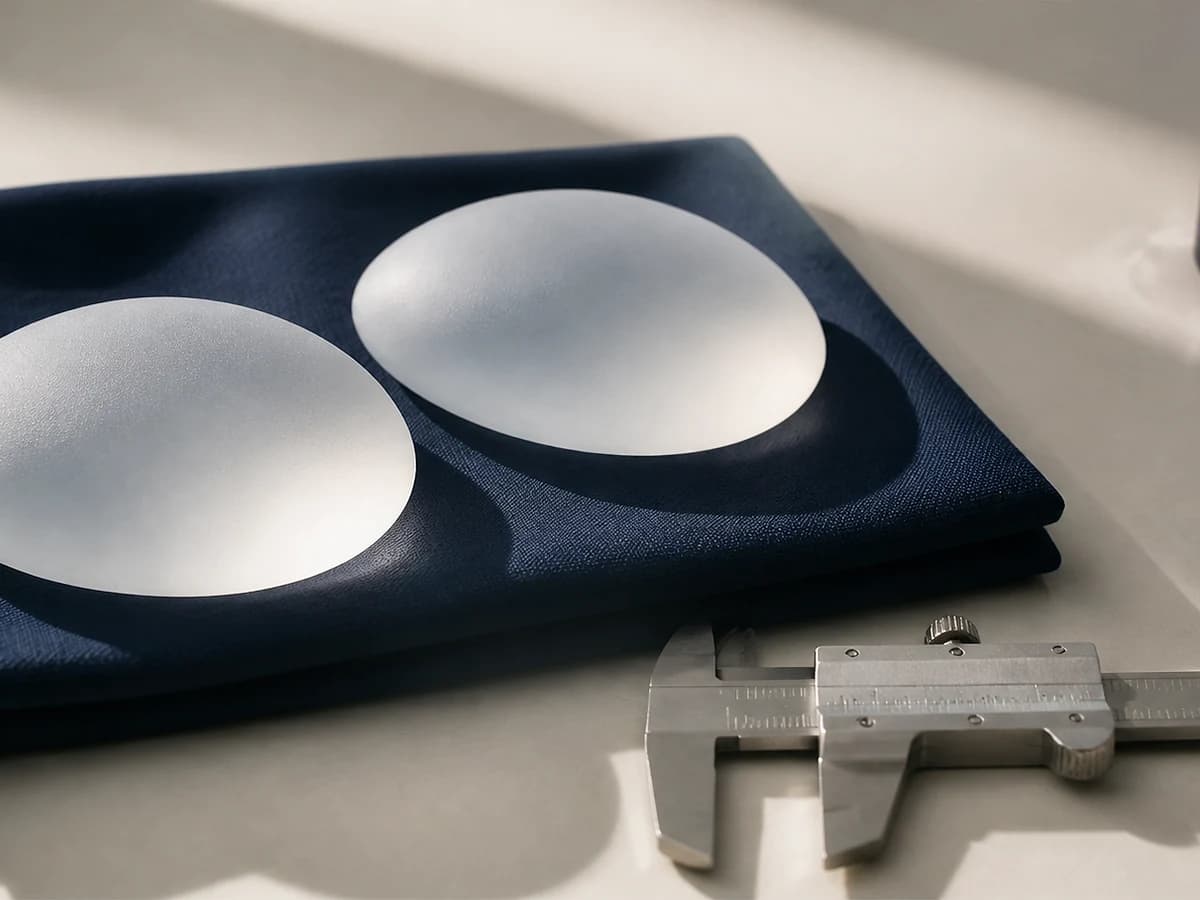
What is the difference between Mentor and Motiva breast implants?

Both are American brands; Motiva manufactures in Costa Rica. Mentor is longer established with extensive long-term follow-up data, offering textured or smooth shells with cohesive gels of varying firmness. Motiva uses an ultra-smooth SmoothSilk shell and a highly elastic gel that changes shape with posture. The choice depends on your breast tissue and desired shape.

Clinical detail

The difference patients actually perceive lies in softness and how the shape changes between standing and lying. Motiva Ergonomic gel tends to settle into the lower pole when upright and redistribute when supine, closely mimicking natural breast behaviour. Mentor Gel Xtra is firmer and holds its shape more consistently, which suits patients with thin tissue who need structural support.

In patients with thin glandular tissue, an overly firm gel readily shows the implant edge at the upper pole. In those with dense tissue, a softer gel may not create the fullness sought. This is why implant selection must follow actual measurement rather than brand preference.

What influences the outcome more than implant choice is accurate breast base measurement, correct volume and profile selection, the plane of placement and pocket dissection technique. A good implant placed poorly still produces a poor result.

Clinically reviewed by Dr. Le Trung Kien, MD, Specialist Level II · Updated 12/08/2026. This information is for reference; the final indication rests with your surgeon after an in-person examination.
Facial rejuvenation and refinement
04

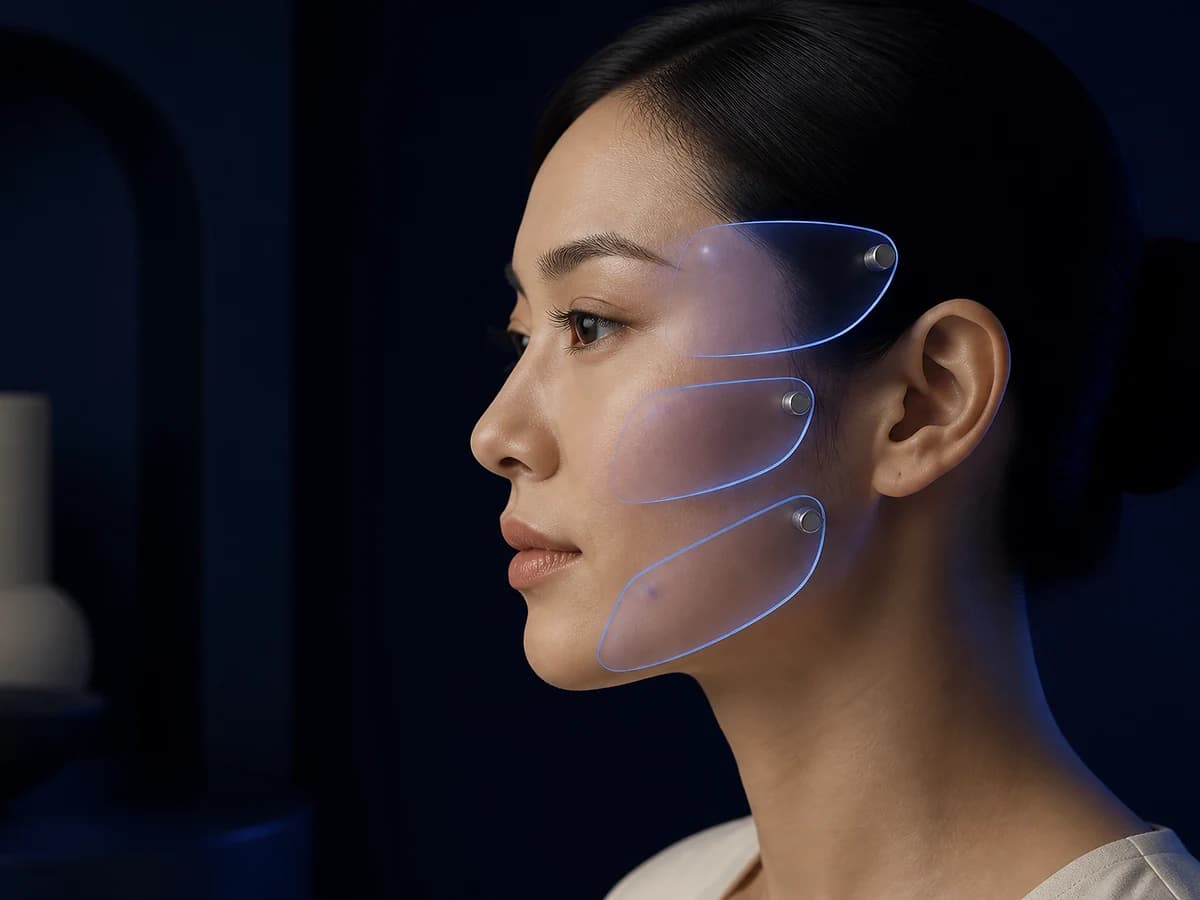
What is a deep plane facelift and how does it differ from a conventional facelift?

A deep plane facelift dissects and elevates beneath the superficial musculoaponeurotic system (SMAS), repositioning the facial soft tissue as a single unit rather than tensioning the overlying skin. The result looks more natural, avoids a pulled appearance, and lasts longer because the lift is borne by supporting structures rather than skin.

Clinical detail

Older-generation facelifts dissected mainly in the subcutaneous plane and tensioned the skin. The difficulty is that skin is not a load-bearing structure; tensioning it creates an unnaturally flat appearance, distorts the auricular contour, and relaxes quickly as the skin continues to stretch.

The true driver of midface ageing is not excess skin but descent of the deep fat compartments and the SMAS layer. The deep plane technique addresses that cause directly, so it improves the nasolabial fold and jawline, regions a superficial lift barely affects.

The trade-off: this is a considerably more complex operation with longer operative time, requiring detailed knowledge of facial nerve branch anatomy within the dissection field. Not every facility performs it, and the cost is higher than a conventional lift.

Clinically reviewed by Dr. Le Trung Kien, MD, Specialist Level II · Updated 12/08/2026. This information is for reference; the final indication rests with your surgeon after an in-person examination.
Recovery after surgery
05

How soon can I return to work after liposuction?

For desk-based work, most patients return after 5 to 7 days. For extensive or multi-area liposuction, allow 10 to 14 days. Work involving prolonged standing or lifting requires 3 to 4 weeks off.

Clinical detail

The limiting factor is not the incisions but tightness, fatigue and the need to wear compression continuously. Many patients can sit at a desk from day 4 but find concentration difficult owing to discomfort and analgesia.

Schedule surgery before a weekend if work allows, and build in a few buffer days beyond the minimum. Returning too early and then needing further time off is usually more disruptive than taking adequate leave initially.

Avoid prolonged uninterrupted sitting in the first two weeks. Standing and walking for a few minutes every hour reduces venous thrombosis risk and aids fluid drainage.

Clinically reviewed by Dr. Le Trung Kien, MD, Specialist Level II · Updated 12/08/2026. This information is for reference; the final indication rests with your surgeon after an in-person examination.

Cost, process and RASA commitments
06

Who personally performs the surgery?

At RASA, the surgeon who consults with you is the surgeon who operates on you, and that surgeon performs the entire procedure from start to finish without delegating stages to assistants. If another RASA surgeon will be operating, you are told and taken through this clearly from the outset.

Clinical detail

This is a question worth asking at any facility you consider, and you should expect an answer with a specific name. Within the industry, the consulting doctor and the operating surgeon being different people is far more common than patients assume.

A practical consequence of this principle is a limited daily caseload. RASA operates a low-volume model and does not accept more than the surgeon can perform personally. That means the operating schedule may involve a wait.

The anaesthetic and nursing team are specialists in their own right and work consistently with the same surgical team. Team stability has a real effect on operative safety.

Clinically reviewed by Dr. Le Trung Kien, MD, Specialist Level II · Updated 12/08/2026.

02 / clinical topics

All topics

Organised around the patient journey, from considering surgery through to recovery.

Before surgery: indications, contraindications and preparation
14 questions
Body contouring: liposuction, abdominoplasty, fat grafting
15 questions
Breast surgery: augmentation, reduction and mastopexy
17 questions
Facial rejuvenation and refinement
14 questions
Recovery after surgery
14 questions
Cost, process and RASA commitments
13 questions

Haven’t found the answer you need?

The first consultation at RASA is free and conducted personally by Dr. Le Trung Kien. You are not asked to decide during the consultation.

Zalo
Care team support