What is a deep plane facelift and how does it differ from a conventional facelift?
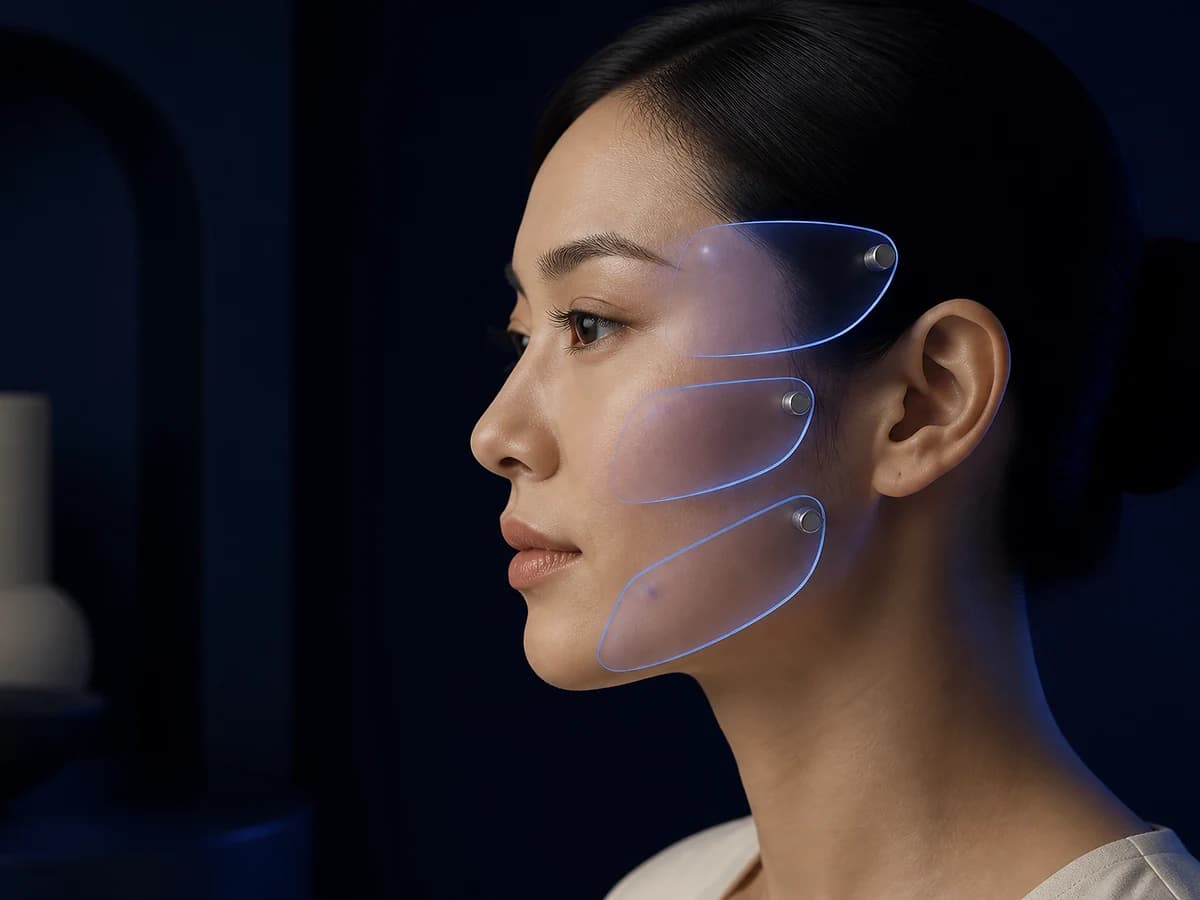
A deep plane facelift dissects and elevates beneath the superficial musculoaponeurotic system (SMAS), repositioning the facial soft tissue as a single unit rather than tensioning the overlying skin. The result looks more natural, avoids a pulled appearance, and lasts longer because the lift is borne by supporting structures rather than skin.
Clinical detail
Older-generation facelifts dissected mainly in the subcutaneous plane and tensioned the skin. The difficulty is that skin is not a load-bearing structure; tensioning it creates an unnaturally flat appearance, distorts the auricular contour, and relaxes quickly as the skin continues to stretch.
The true driver of midface ageing is not excess skin but descent of the deep fat compartments and the SMAS layer. The deep plane technique addresses that cause directly, so it improves the nasolabial fold and jawline, regions a superficial lift barely affects.
The trade-off: this is a considerably more complex operation with longer operative time, requiring detailed knowledge of facial nerve branch anatomy within the dissection field. Not every facility performs it, and the cost is higher than a conventional lift.
Clinically reviewed by Dr. Le Trung Kien, MD, Specialist Level II · Updated 12/08/2026. This information is for reference; the final indication rests with your surgeon after an in-person examination.