Lecture note
Body contouring does not begin with how much fat can be removed. It begins with proportion, vectors, preservation of transitions and the connection between donor and recipient areas.
1. Body contouring is a proportion problem, not only a volume-reduction procedure
High-definition liposuction and vector-based contouring require a 360-degree view of the torso. The abdomen, waist, flanks, sacral region, buttocks and lateral thighs form continuous transitions.
Removing more fat does not automatically create a better shape. Planning must identify where volume should be reduced, preserved or added for the anatomy of each patient.

2. A complete workflow extends beyond fat removal
Dr. Alexander T. Hamers organizes the workflow around tissue preparation, liposuction, fat harvesting, fat grafting and assessment of skin-retraction support. Vibrasat assists cannula movement, while plasma contouring addresses a different tissue objective.
No device replaces patient selection, tissue-plane control or surgical judgement.
3. Preoperative vector planning
Marking is performed with the patient standing so that gravity and natural tissue distribution remain visible. The plan maps reduction zones, preservation zones, cannula trajectories and potential recipient areas.
Hip dips, buttock projection, the waist and lateral thigh must be evaluated together rather than treated as isolated points.
4. Power assistance does not replace tissue feedback
Vibrasat assists cannula motion, but the surgeon remains responsible for depth, direction, residual thickness and surface uniformity. The endpoint is not defined by aspirate volume alone.
Visual assessment, side-to-side comparison and non-dominant hand feedback help reduce the risk of over-resection and contour irregularity.
5. Gluteal fat grafting: safety begins with the injection plane
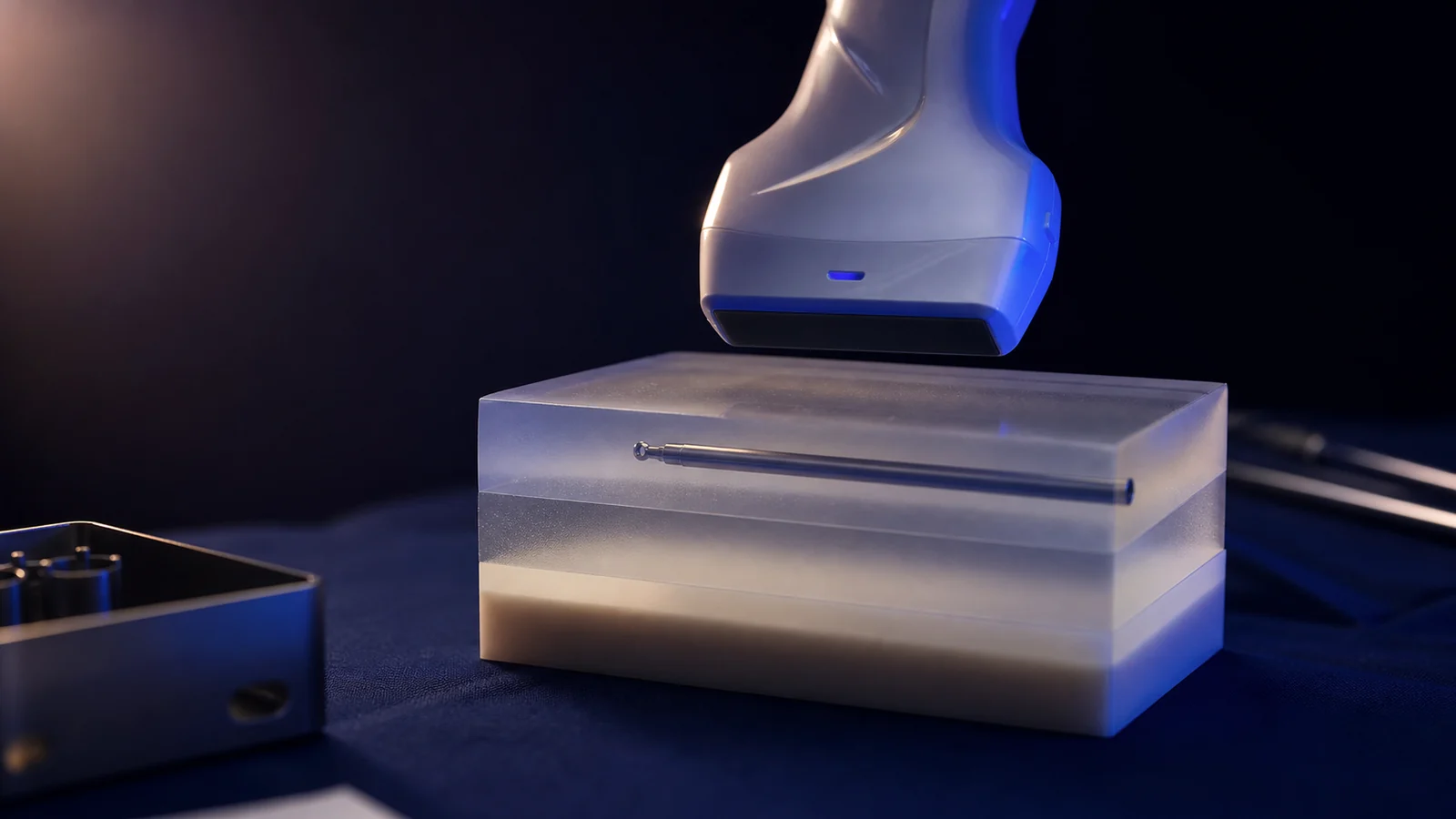
The gluteal lesson reviews the mechanism of pulmonary fat embolism and repeatedly emphasizes subcutaneous-only grafting. Ultrasound helps confirm the relationship between the cannula, fascia and muscle in real time.
Imaging supports but does not replace anatomical knowledge, controlled hand movement and supervised training.
6. Breast fat grafting and hybrid augmentation
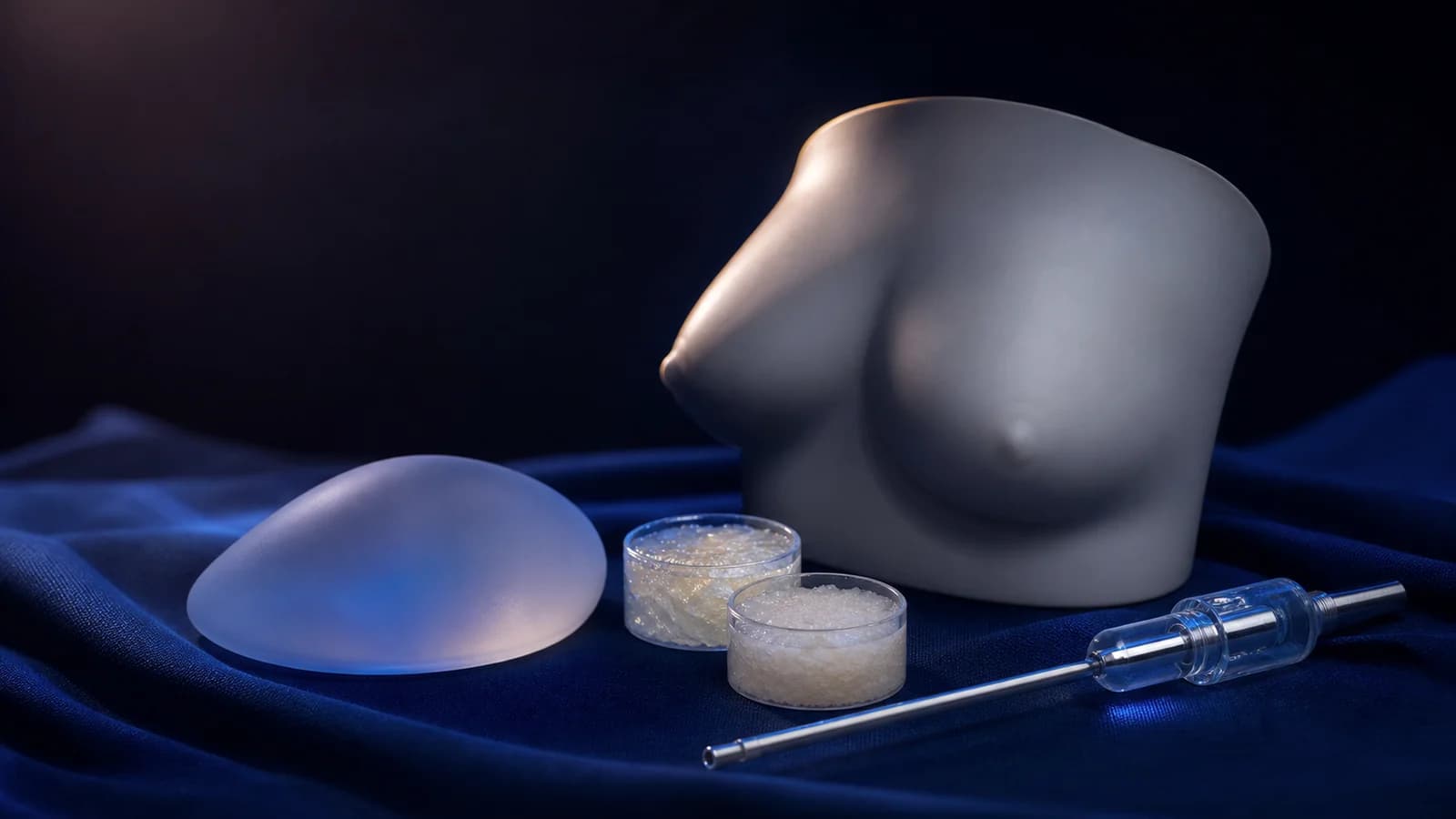
Breast fat grafting is presented as a layered technique for contour refinement, cleavage enhancement and implant-edge camouflage. Hybrid augmentation combines implant-based volume with the soft-tissue benefits of fat.
The lesson also addresses ultrasound follow-up, oil cysts, revision cases and realistic expectation management.
7. Five full lessons in the portal
The RASA Surgical Portal course includes liposuction theory, preoperative marking, surgical demonstration, gluteal fat grafting and breast fat grafting.
This material is intended for professional education. Technical parameters must be checked against official instructions, institutional protocols and individual patient assessment.