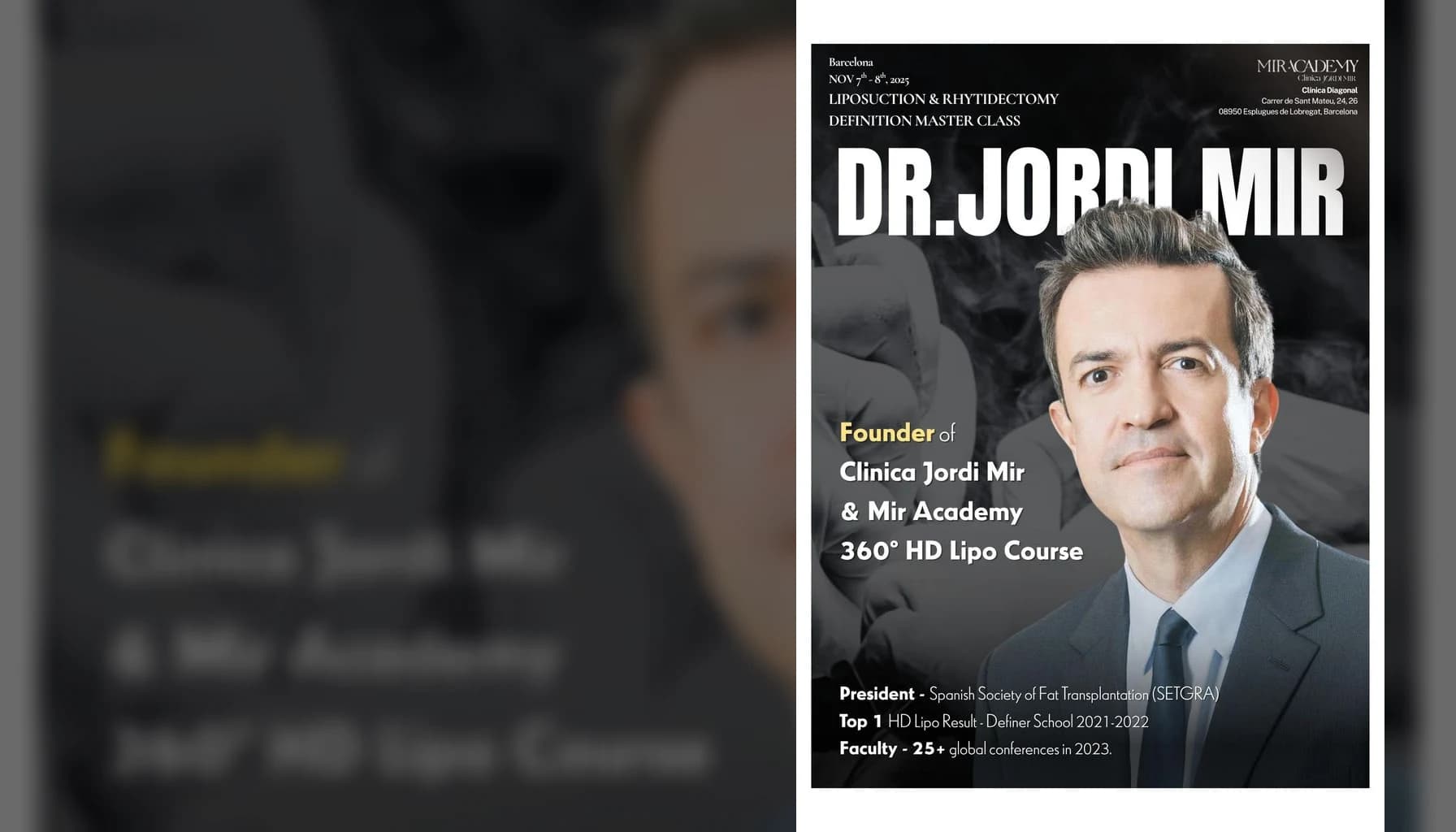
Lecture note
A professional preview for colleagues: how Dr. Le Trung Kien organizes lessons from Dr. Mir's training into a controlled, indication-based, safety-focused approach to liposuction and body contouring.
1. Why RASA includes this topic in Surgical Education
In body contouring surgery, liposuction should not be reduced to fat removal. A good case begins with reading body shape, tissue behavior, treatment-zone boundaries and safety limits before entering the operating room.
Dr. Jordi Mir's training is valuable because it frames technical actions within a broader system: treatment-zone assessment, preoperative marking, layer control, technology selection, and postoperative follow-up.
This article uses a focused academic slice of the course to show the central clinical idea: contouring only has value when it is grounded in body-shape analysis, tissue layers and safety structure.
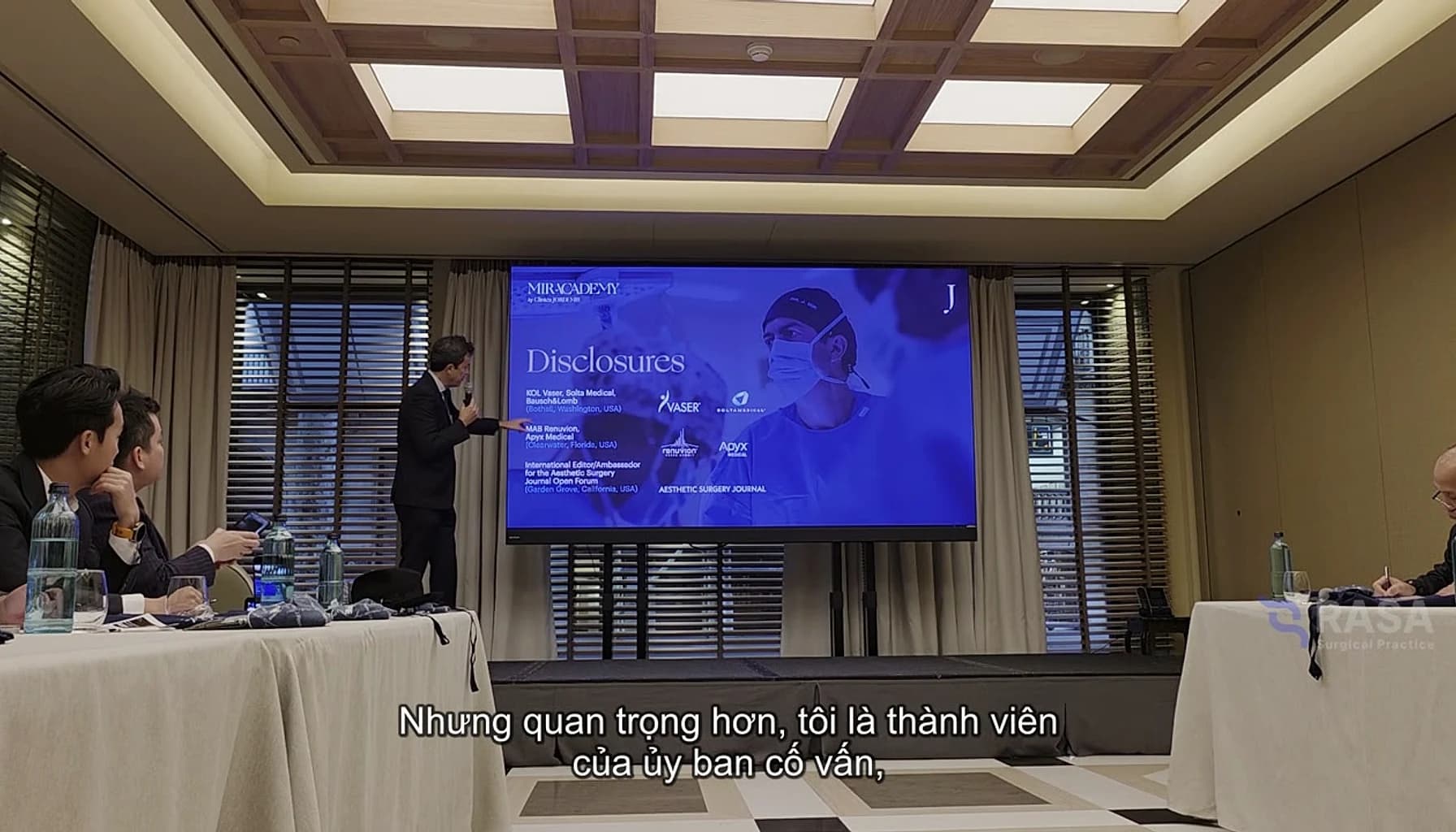
2. Contouring begins with treatment-zone assessment
A treatment zone is not simply “more fat” or “less fat”. The surgeon needs to assess subcutaneous thickness, skin quality, fibrosis, superficial and deep fat distribution, transition zones, and realistic shape goals.
When the initial reading is disciplined, the surgical goal becomes safer and more precise. Some areas can define the waist, some should only soften transition, and some should be treated conservatively to preserve harmony.
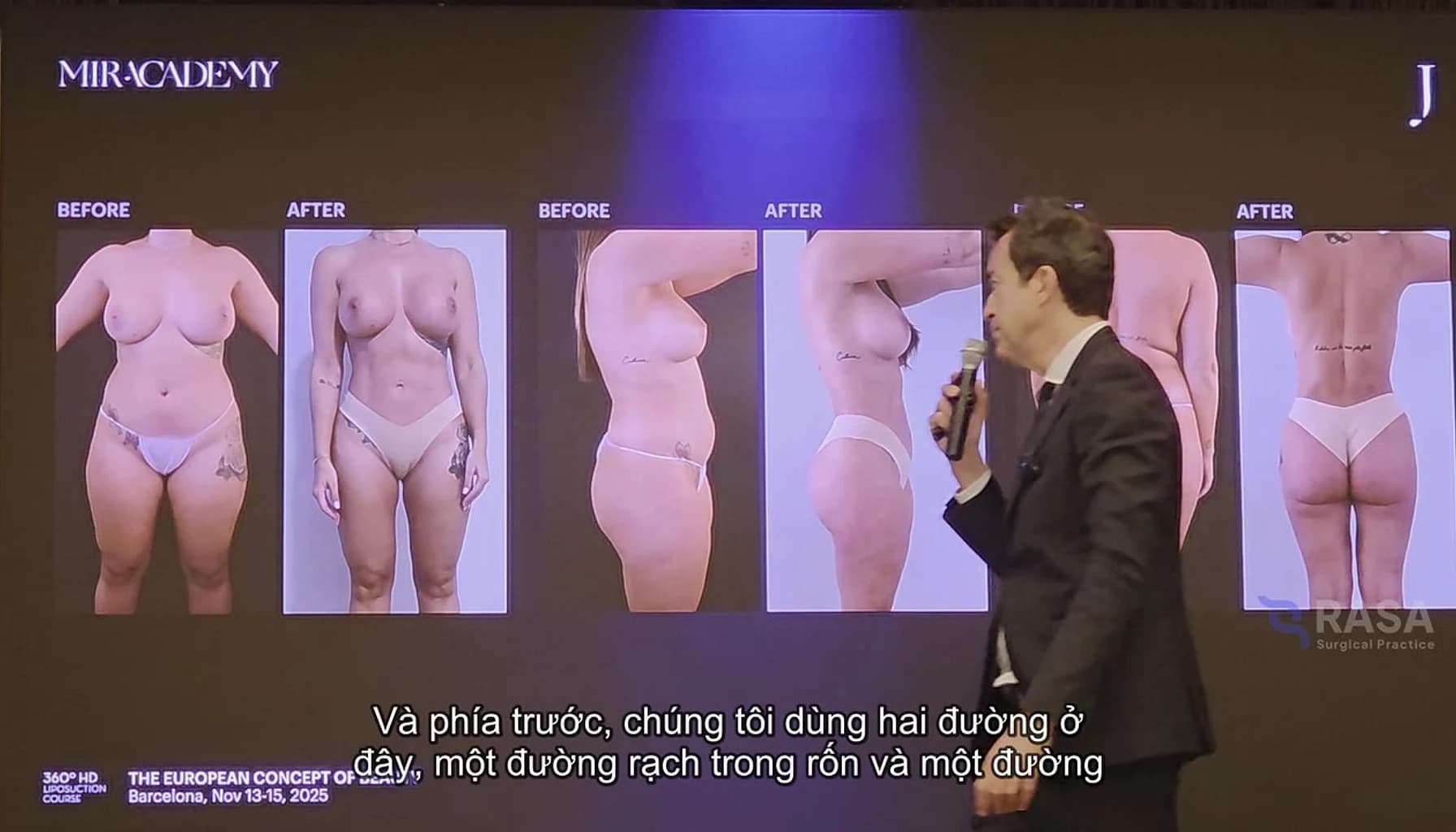
3. Preoperative marking is the surgical map
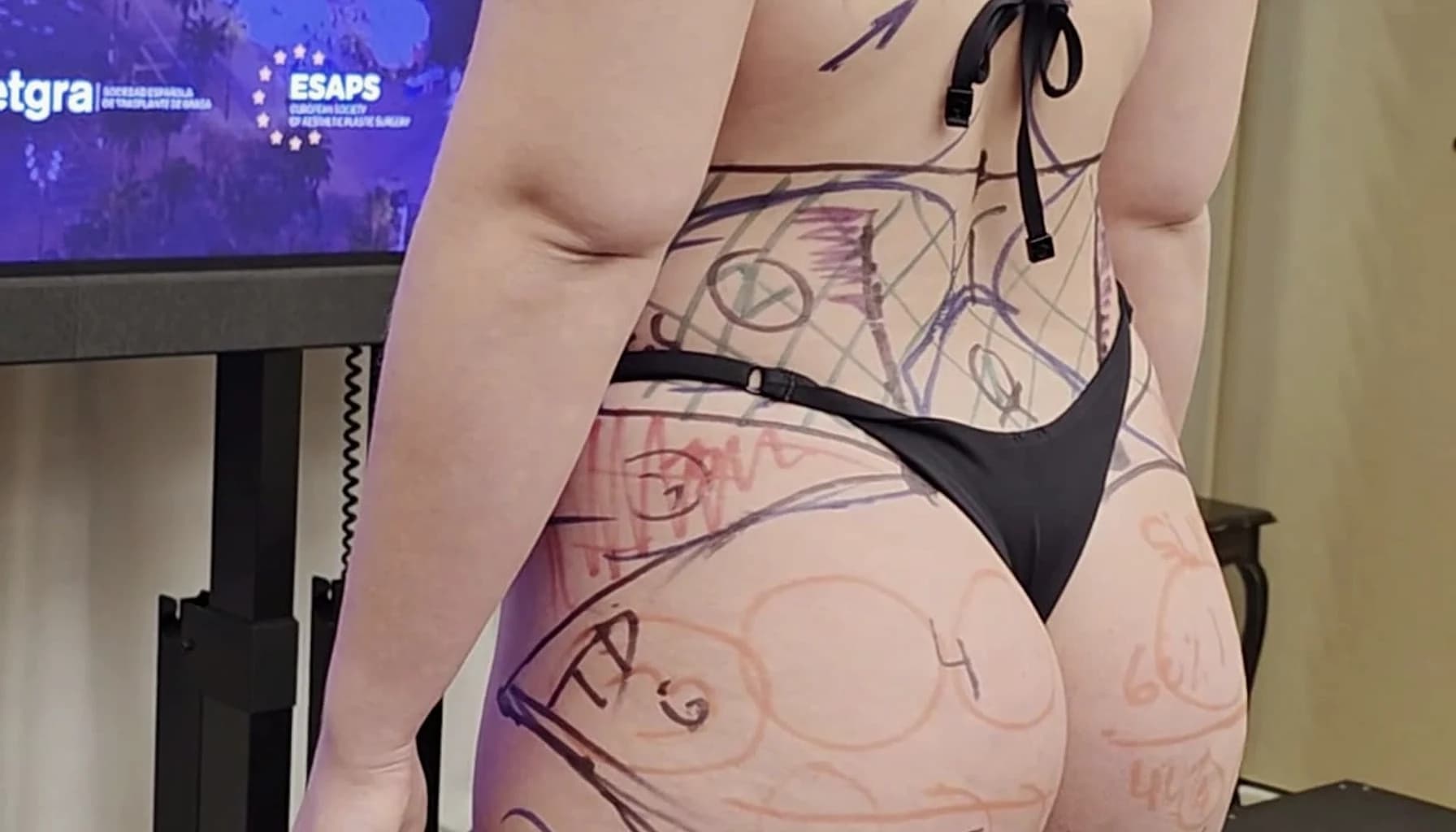
Marking is not a formality. It translates clinical observation into operative strategy, helping the surgeon identify reduction zones, preservation zones, transition lines and areas that require symmetry checks.
Male and female contouring logic also differs. In public education, the key point is not to reproduce the full marking system, but to understand why planning determines the quality of the operation.
4. Technology only matters when used in the right layer and timing
Modern body contouring may involve energy-assisted systems, tissue tightening, ultrasound and safety monitoring. These tools are not valuable by themselves. Their value depends on indication, tissue layer, timing, and the surgeon's ability to control depth, heat, and force.
For that reason, the public article remains conceptual. Specific parameters, checklists and detailed operative analysis belong in a professional training context.
5. Safety is the structure of the whole workflow
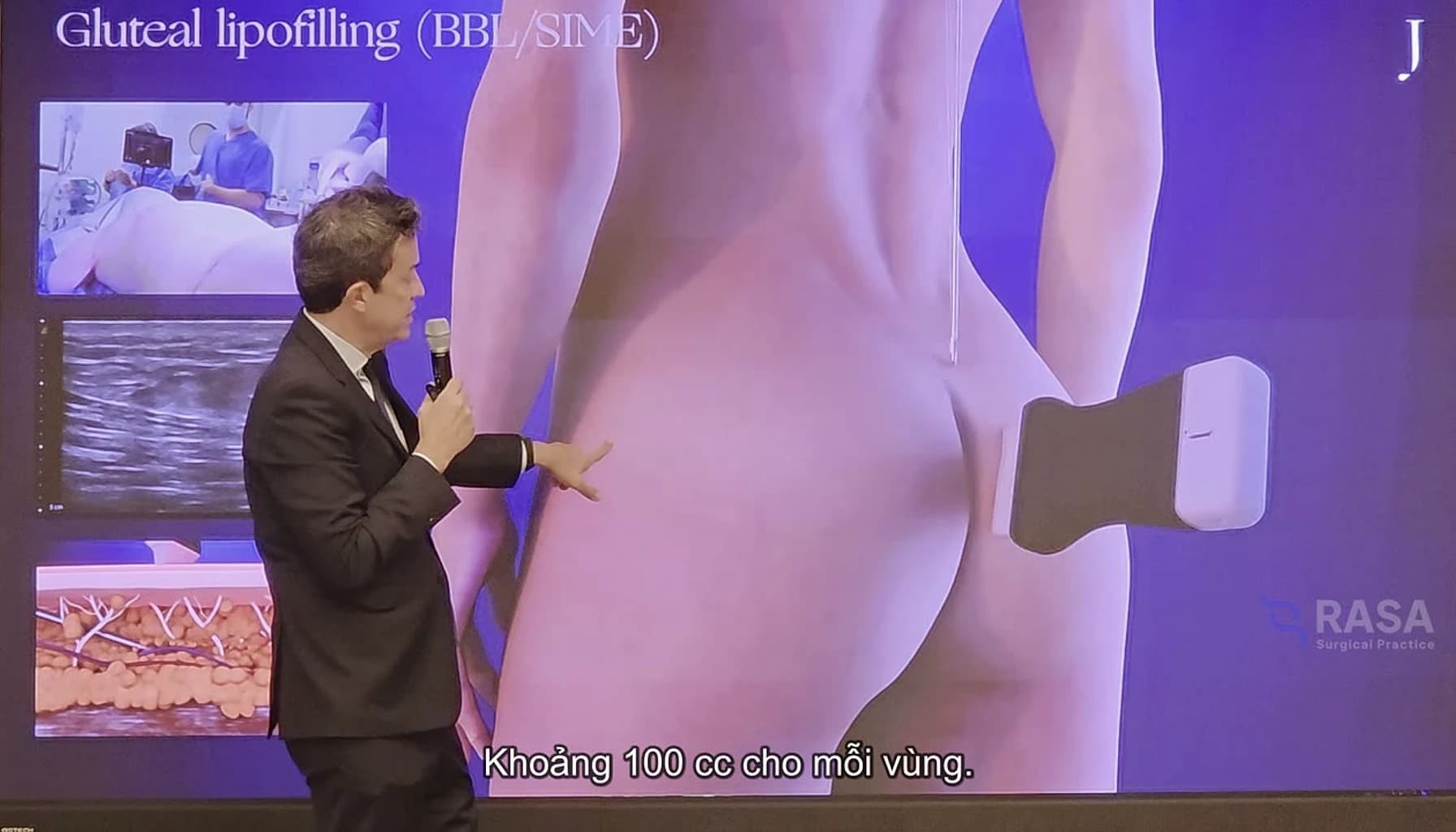
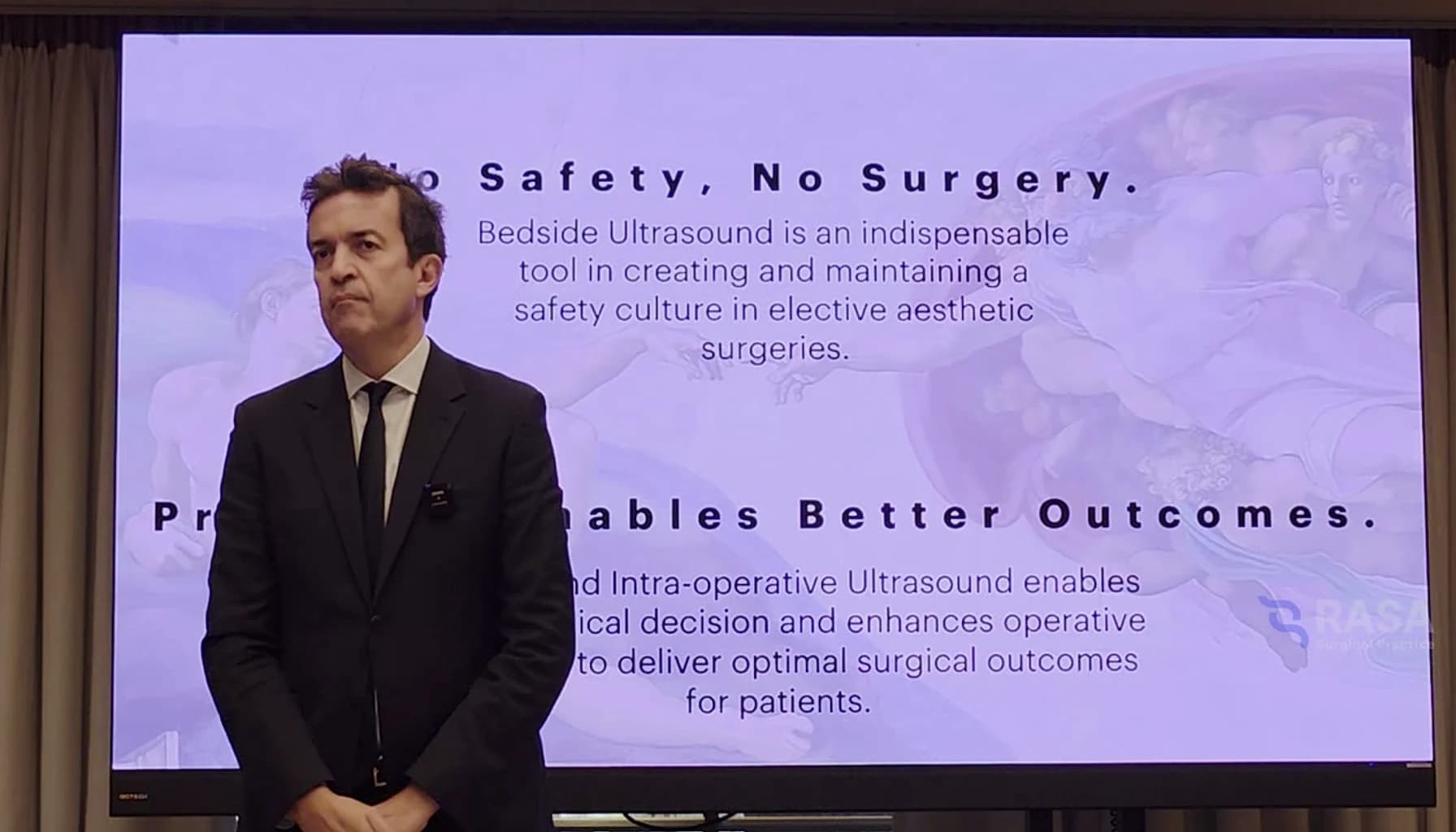
Safety is not a final checklist. It begins with patient selection, risk assessment, treatment-zone planning, operating-room preparation, fluid and heat control, thromboembolism prevention and postoperative care.
A technically impressive case without a safety structure should not be considered a good case. In Dr. Kien's reading, technique must always remain connected to indication and restraint.
6. Video excerpt: a selected waist-reduction case
The waist-reduction excerpt shows how a body-contouring lecture moves from aesthetic concept to clinical case analysis: the starting shape, the areas that can change, the transition zones that should remain soft and the degree of change that should be controlled.
Its academic value lies in observing clinical reasoning before looking at the result. A waist change only becomes meaningful when it is connected to tissue depth, symmetry, fat-removal limits and recovery capacity.
The excerpt should be read as educational illustration, not procedural instruction. Detailed discussion of indication, working layer and safety boundaries belongs in a controlled professional training context.
Source material and usage limits
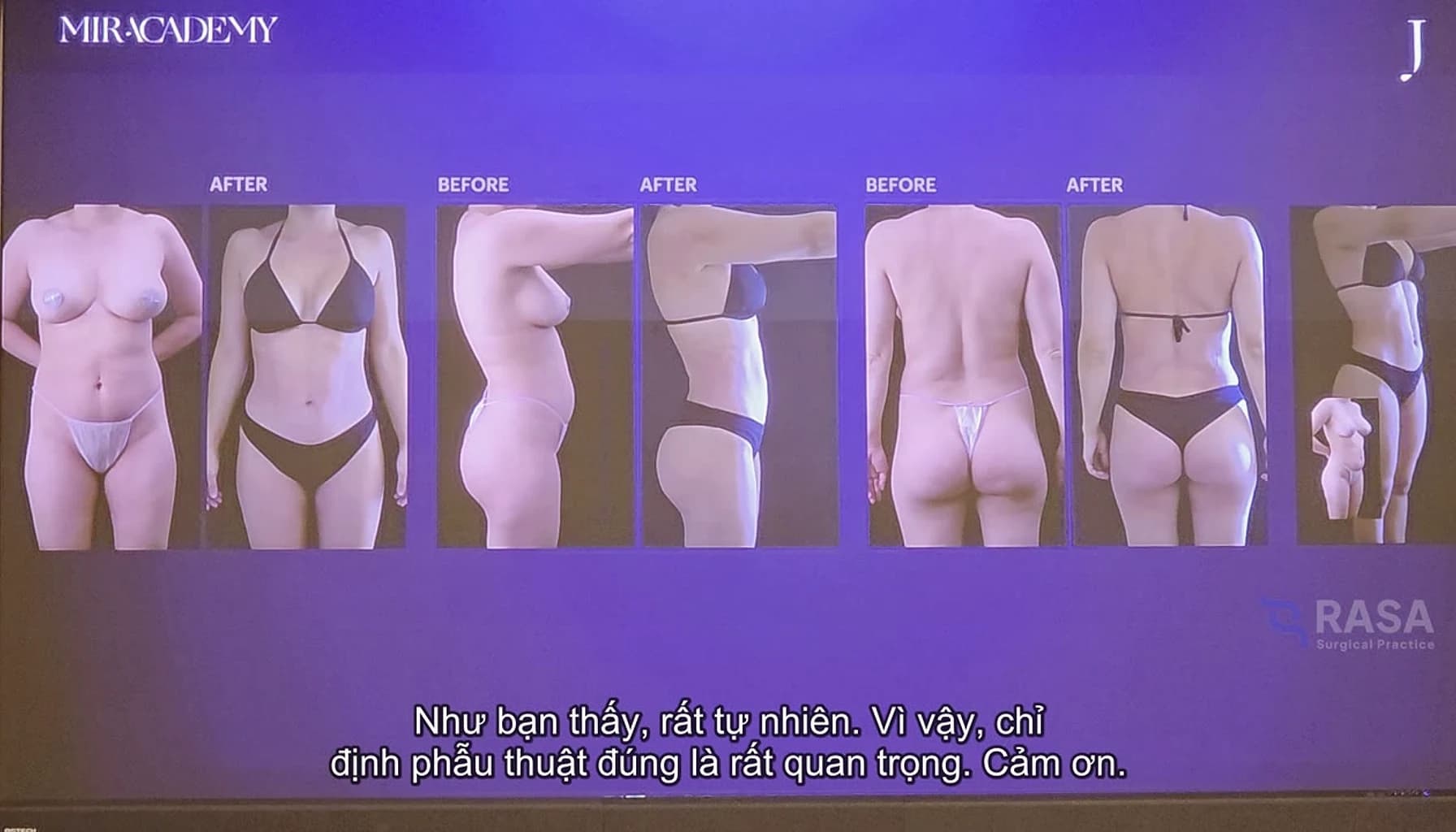
This article is based on selected material from Dr. Jordi Mir Batlle's Mir Academy body contouring training program in Barcelona, combined with RASA Surgical Practice academic interpretation.
It is intended for professional education and clinical reasoning. Any decision related to body-contouring liposuction must be based on direct examination, risk assessment and indication by an appropriately qualified physician.