

From "I Want a Nose Job" to a Pre-Surgical Psychological Profile
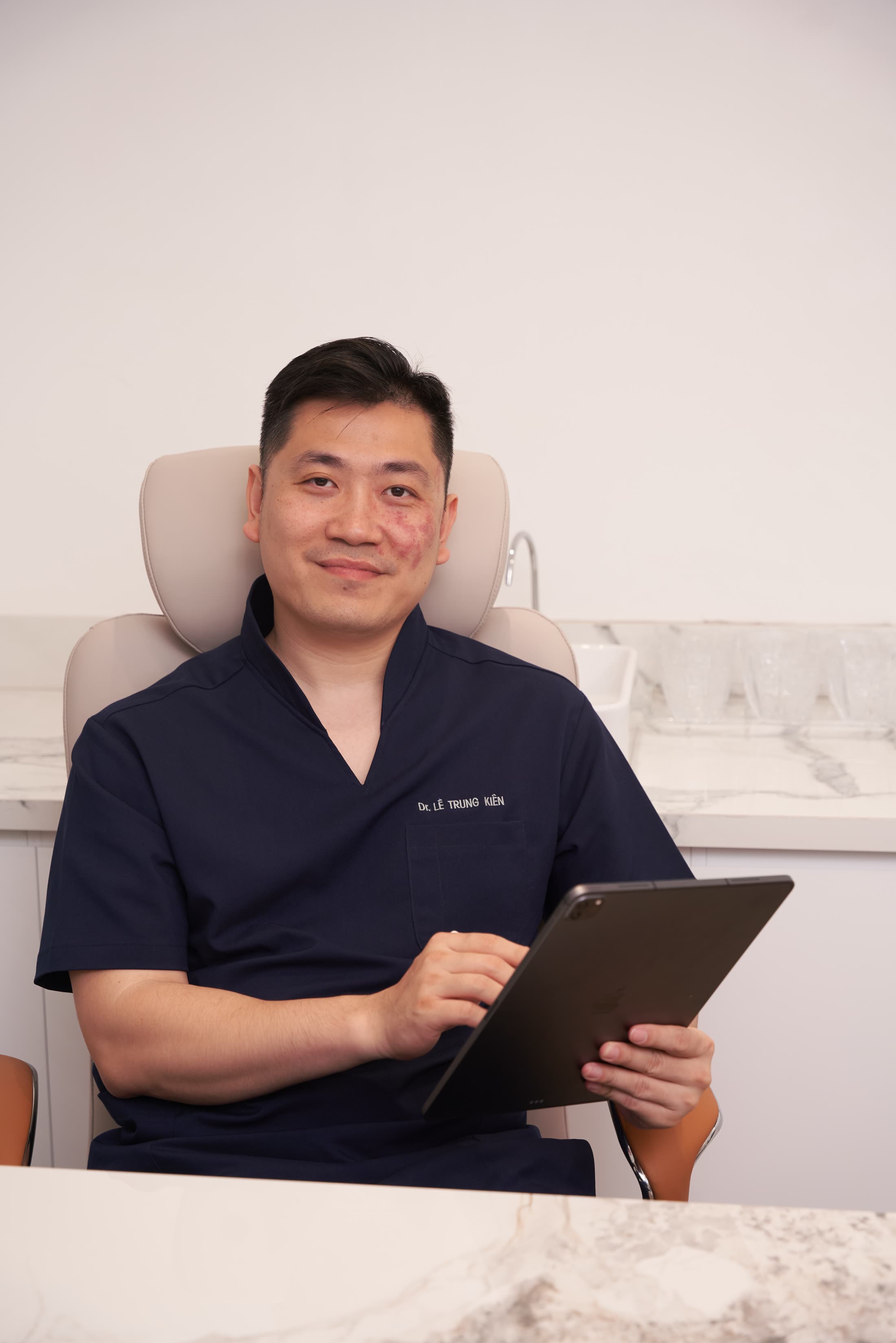
Author
Dr. Le Trung Kien
RASA Surgical Practice
"A successful aesthetic clinic relies not only on surgical skill, but also on understanding the patient's motivation, expectations and psychological readiness."
From a Message 'I Want to Fix My Nose' to a Pre-Surgical Psychological Profile
This document is intended for clinics, doctors, and aesthetic consultation teams
Gaps in Current Clinical Intake Processes
A successful aesthetic clinic does not solely rely on technical expertise or a surgeon's skill set. The deciding factor lies in the quality of the intake process, the initial clinical screening and data collection process, where patient information is gathered, structured, and converted into data for consultation purposes.
In reality, the weakness of many clinics does not lie in treatment, but rather in the fact that the intake process is not thorough enough to provide a clear direction for consultation from the outset.
Patients often approach the clinic with a very limited amount of information. A message like “I want to fix my nose, please advise me” provides almost no data on specific desires, structural expectations, anxiety factors, or readiness levels. The advisory team must start from scratch each time, resulting in wasted time but still not ensuring accuracy in the initial assessment.
Misaligned advice has thus become a common phenomenon. Doctors focus on technical analysis while the patient's actual concerns are about recovery processes or, conversely, the patient needs psychological confirmation before receiving specialized information. Neither party is at fault, but the dialogue fails to find common ground.
Another systemic challenge lies in the latent presence of patients with unrealistic expectations. This group tends to set expectations beyond technical capabilities or attaches overly personal significance to aesthetic outcomes. These signals rarely surface immediately and are often only recognized when the advisory process is underway, even after interventions have been performed.

Từ nhu cầu ban đầu đến hồ sơ tâm lý tiền phẫu
Concurrently, the clinic must handle a large volume of patients with unripe needs or low readiness levels. Without effective classification tools, this entire patient file is still processed through the same procedure, resulting in wasted resources and decreased overall operational efficiency.
How RAPI addresses the intake problem
RAPI - RASA Aesthetic Personality Index - was developed as a psychological analysis system for aesthetics before consultation, with the goal of standardizing the intake process and improving the quality of input data for the entire consultation process.
Instead of leaving patients to describe their needs with scattered information, RAPI plays the role of a data filter, converting emotional factors into a structured profile that can be read and analyzed from a clinical perspective.
A complete RAPI profile can answer 7 core questions that, under normal circumstances, the consultation team would need 30 to 45 minutes of discussion to explore:
Standardizing and having available answers to these 7 core questions from the intake stage helps the clinic shift the entire consultation process from a passive state (reacting to what the patient says) to an active state (leading the conversation based on existing psychological data).
RAPI: How does it solve the operational problem of the clinic,
1. Shortening the Time to 'Read' the Customer Before Consultation
Before meeting directly, the doctor has a background dataset about the customer's psychological structure and decision-making behavior. This allows the consultation to start from the exact point that needs to be addressed, rather than spending most of the time exploring.
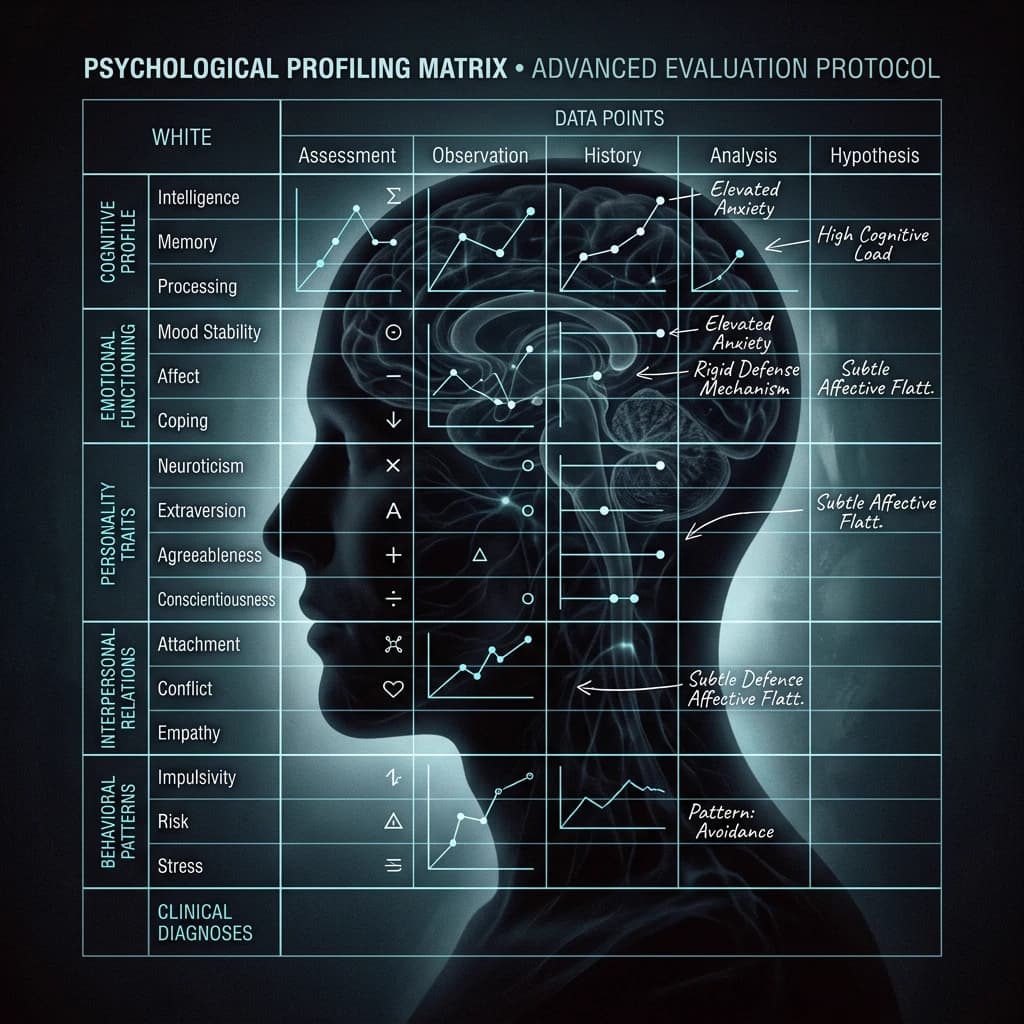
Intake data helps the physician read the true focus of consultation
With data-oriented customers, the doctor can directly provide technical logic, specifications, and treatment plans. On the other hand, with customers who make decisions based on emotions, the top priority is empathy and adjusting expectations. These differences, if identified early on, will significantly improve the effectiveness and accuracy of the consultation.
2. Directing consultation to the right focus from the start
RAPI helps identify the patient's core concern earlier, instead of leaving the doctor and consultation team to discover it by trial and error during the conversation.
In many cases, what the customer needs is not more technical information, but a psychological confirmation or a clear structure to understand their decision. When the bottleneck is correctly identified, the consultation not only becomes shorter but also creates a sense of being understood, rather than being persuaded.
3. Identifying potential risks before indication
One of the key values of RAPI lies in its ability to detect early warning signs that require caution, including unrealistic expectations, high external pressure, noticeable concerns about physical appearance at a level that warrants further evaluation, or a history of interventions without achieving satisfaction.
Identifying these factors at the intake stage allows the clinic to proactively adjust the consultation approach, rather than dealing with consequences after the intervention. This marks a shift from a reactive operation to a controlled operation.
4. Improving patient data quality
Data from RAPI goes beyond contact information, encompassing the entire decision-making context of the customer: psychological structure, level of readiness, expectations, worries, and specific goals.

Structuring expectations before moving into technique
This allows the advisory team to categorize and prioritize handling according to suitability levels, rather than applying a single script to the entire customer file. The outcome is not merely more customers, but an optimized conversion rate on the genuinely suitable customer file.
5. Building a brand position based on understanding
Integrating RAPI into the advisory process enables the clinic to shift its positioning from a service provider to a data-driven and personalized advisory system.
In a market competing on image and price, the ability to understand customers at a psychological level creates a long-term advantage that is difficult to replicate and more sustainable than short-term factors such as promotions.
From a Message 'I Want to Fix My Nose' to a Pre-Surgical Psychological Profile
Model 1: Attracting and Screening Customers Before Consultation
Operation Process: Customers approach RAPI through the website or channels like Zalo. After completion, the system provides preliminary results and directs the next step. Applicable to: Clinics that need to build a high-quality customer file and create a unique initial touchpoint.
Model 2: Mandatory Intake Process Before Consultation
Operation Process: RAPI is integrated as a prerequisite step before the customer meets the doctor, preparing a psychological profile and decision-making context in advance. Applicable to: Complex cases, customers with high expectations, or those requiring remote consultation.
Model 3: Standardized Counseling Tool
Operational Process: RAPI results are used to guide an approach tailored to each customer group, thereby ensuring uniform quality counseling while maintaining personalization. Applicable to: Clinics with a large counseling team, requiring standardization of quality without compromising communication flexibility.
Model 4: Risk Management Support System
Operational Process: RAPI is used as an additional assessment step before making a referral in cases with risk factors. Applicable to: Clinics prioritizing patient safety and medical responsibility in every intervention decision.
Core Value of RAPI
The value of RAPI does not lie in generating a large number of customers at any cost. Instead, this system optimizes conversion rates by focusing on a high-matching client file, while establishing a filtering layer to minimize the risk from unsafe psychological interventions.
This is not a sales tool. It is a management tool.
Want to experiment with your clinic,
RAPI is currently being implemented as a pilot at several aesthetic clinics. If you are interested in integrating this system into your current operational process, please contact us for direct discussion.
Contact: RASA Surgical Practice
Note: RAPI is a screening and guidance support tool. RAPI does not replace medical diagnosis, does not replace clinical psychological assessment, and does not automatically provide surgical indications. Intervention decisions always belong to the doctor and the client after a full direct consultation process.