

Modern Aesthetics: Suitability Matters More Than Change
Author
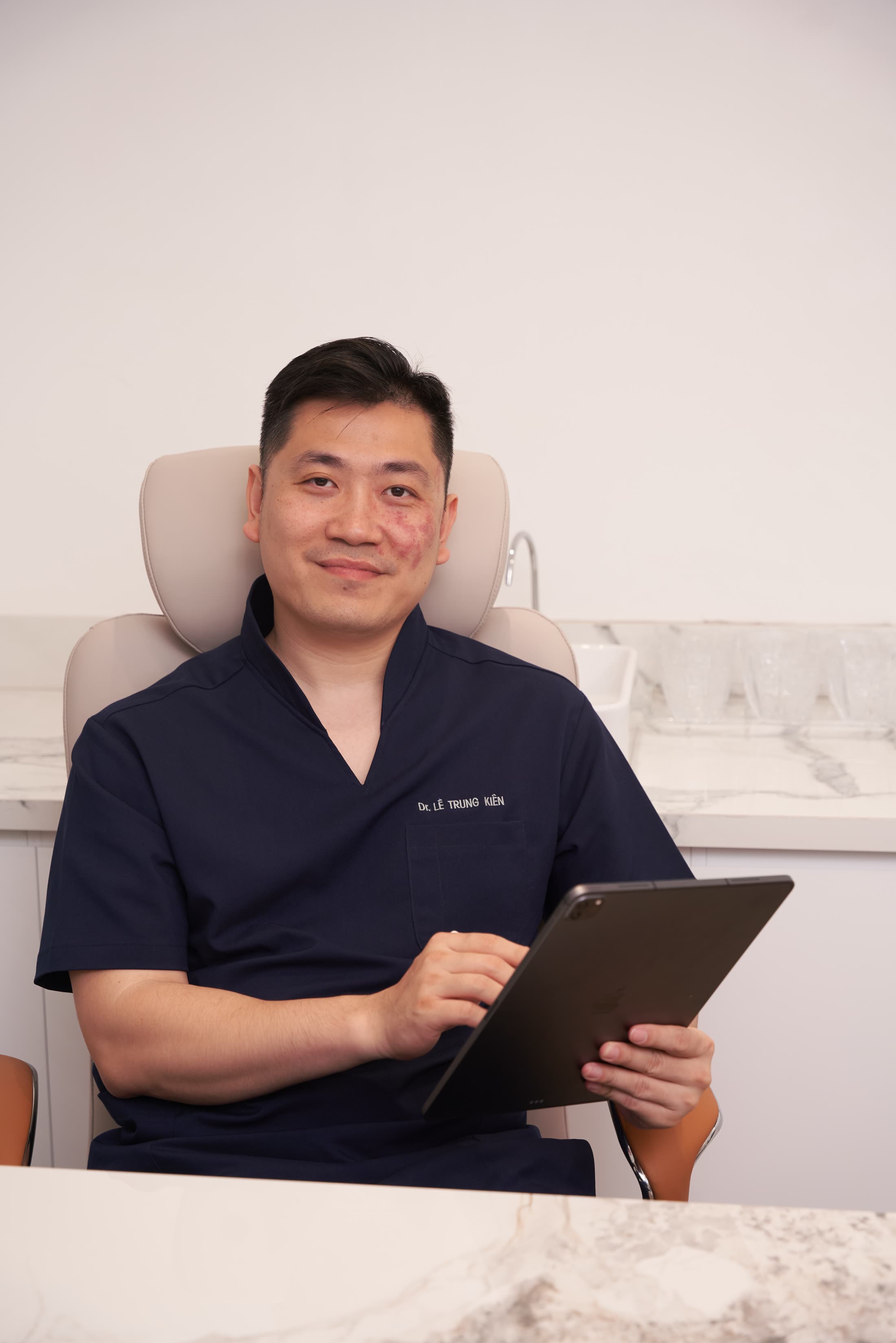
Dr. Le Trung Kien
RASA Surgical Practice
"In aesthetic consultation, technical skill is only one part of the outcome. The harder question is whether the intervention is truly suitable for the patient."
In aesthetic practice and consultation, I often observe a reality that medical training rarely addresses directly: technical ability, even when excellent, is necessary for a successful outcome but never sufficient on its own.
An intervention may be anatomically accurate, properly indicated and free of postoperative complications, yet still be experienced as a failure if the patient enters treatment with unstable expectations or a decision driven more by external pressure than personal readiness.
I have always believed that many aesthetic failures do not begin in the surgeon's hands. They begin in the gap between subjective expectation and what technique can realistically deliver. If that gap is not identified early, every professional effort afterward becomes less meaningful.
Two patients, the same request, two different psychological profiles
In clinical practice, I often encounter cases with the same need for intervention, but operating on two completely different psychological systems.

Clinical suitability before changing form
The first group comes to the consultation with a prepared list of questions, having researched the methods, and is concerned about the success rate, complications, recovery time, and long-term stability of the results. For this group, the core need is not to be "more beautiful", but to have control over and be able to predict the entire treatment process.
In contrast, for the second group, what they care about is almost not about technique. Their focus is on the naturalness of the result, the discretion after intervention, and the ability to maintain their personal image without creating a break in how they are perceived by those around them.
The same surgical indication. Two completely different approaches.
The problem does not lie in whether the doctor has enough technique to perform or not. The problem lies in whether the doctor can identify this difference early enough, before the official consultation begins.
The biggest challenge lies in the preoperative stage
In many aesthetic cases, I often find that the most complex part is not on the operating table, but in the preoperative stage, where the doctor has to handle multiple layers of psychological data that the patient is not always aware of.
These data are rarely presented directly. They lie in the way the patient asks questions, the way they describe their desires, or the small details that seem insignificant but are repeated in their personal story.
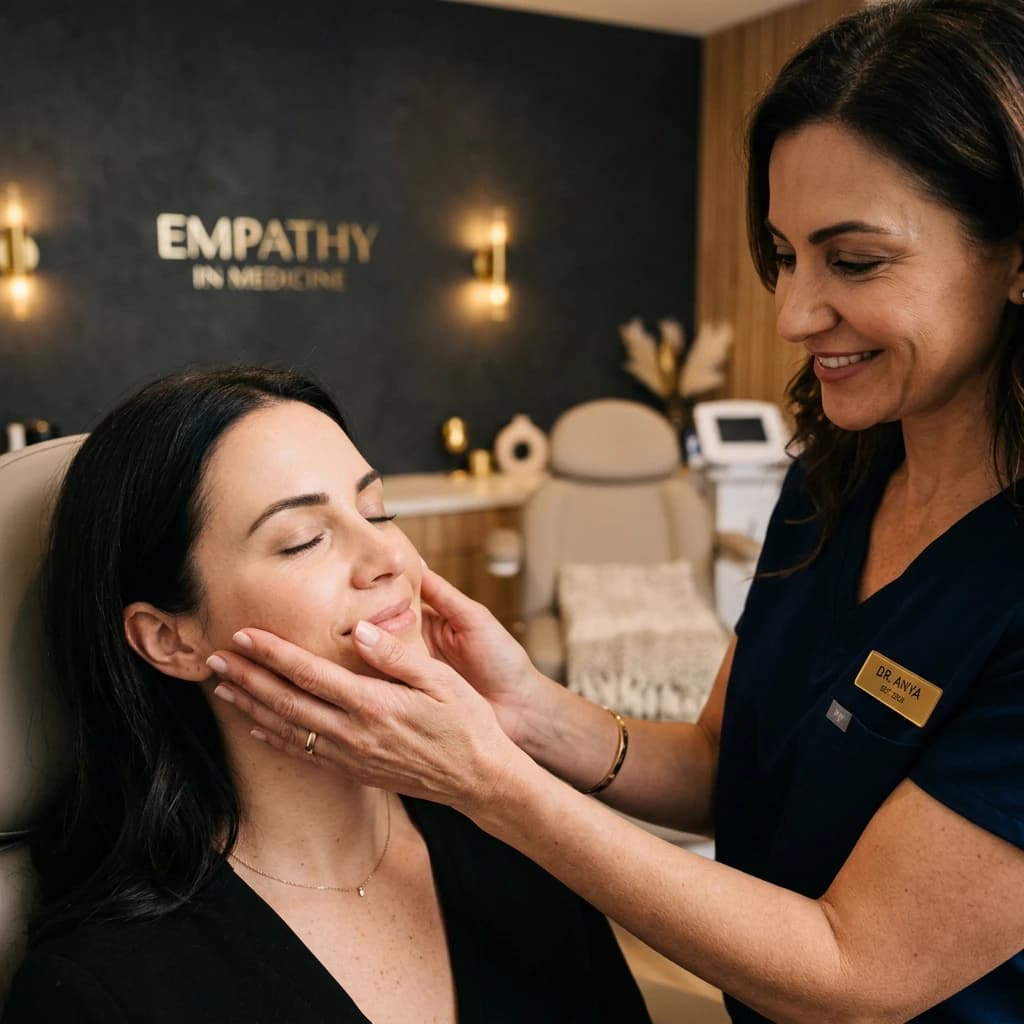
Understanding expectations before an aesthetic intervention
If we systematize from clinical reality, we can identify several groups of recurring psychological variables. Exceeding realistic expectations is a situation where the patient trusts the doctor but also imagines a result that exceeds current technical capabilities; this gap, if not adjusted early, will almost certainly lead to postoperative disappointment. External pressure is a case where the decision is presented as a personal choice, but is actually significantly influenced by external factors; when the context changes, the perception of the decision also changes. Long-standing body dissatisfaction or a history of unsuccessful interventions often comes with a need to be heard and have personal experiences acknowledged, beyond the scope of technical advice alone.
An experienced doctor can read these signals. However, reading them in a 30- to 45-minute consultation, with someone they are meeting for the first time, in a busy and pressured operating environment, is not always sufficient. And sometimes, missing just one variable can throw off the entire decision that follows.
RAPI as a data filter before the doctor intervenes
From these observations, I developed RAPI - RASA Aesthetic Personality Index - as a layer of pre-consultation data filtering, helping to turn disparate psychological factors into a readable structure.
RAPI does not replace the doctor. RAPI also does not provide indications.
Its role is to create an intermediate layer of information, where the patient's motivation, expectations, level of anxiety, and decision-making context are systematized before the doctor approaches directly.

Body psychology and the right moment for aesthetic decisions
When a patient completes RAPI, they are not just answering questions. They are providing data on how they think, how they expect, and how they react to risk. This data, when compiled, forms a pre-consultation profile that can be read by the doctor beforehand.
At that point, the consultation no longer starts from scratch.
I can determine in advance whether this patient needs a clear explanation of the structure based on data, or a more reassuring and empathetic approach. I know when to look at expectations, or when to ask about the motivation behind the decision. I know when to proceed, and when to suggest that the patient wait further. This is where a support system can make a significant difference in the quality of consultation.
Declaration of responsibility in aesthetic practice
I do not view RAPI as a tool to optimize conversion rates. I see it as a way to reset the standard of responsibility in aesthetic consultation.
An aesthetic decision not only changes one's physical appearance, but also has a deep impact on an individual's self-perception and social relationships. Therefore, it cannot be made hastily or based solely on temporary emotions.
Clinical reality shows that the root of many problems in the current aesthetic industry does not lie in technical limitations, but in the lack of an effective mechanism to manage risks at the psychological and decision-making levels.
When these factors are not controlled from the outset, the consequences do not only stop at an unmet outcome, but can also extend to prolonged dissatisfaction, loss of trust, and deeper repercussions in personal perception.
In this context, the sustainable development of the field is not just about making things more beautiful, but about making them beautiful in the right way: in line with indications, expectations, timing, and compatible with the psychological structure of each individual.
RAPI, in its scope, is a step in this direction.