
Author
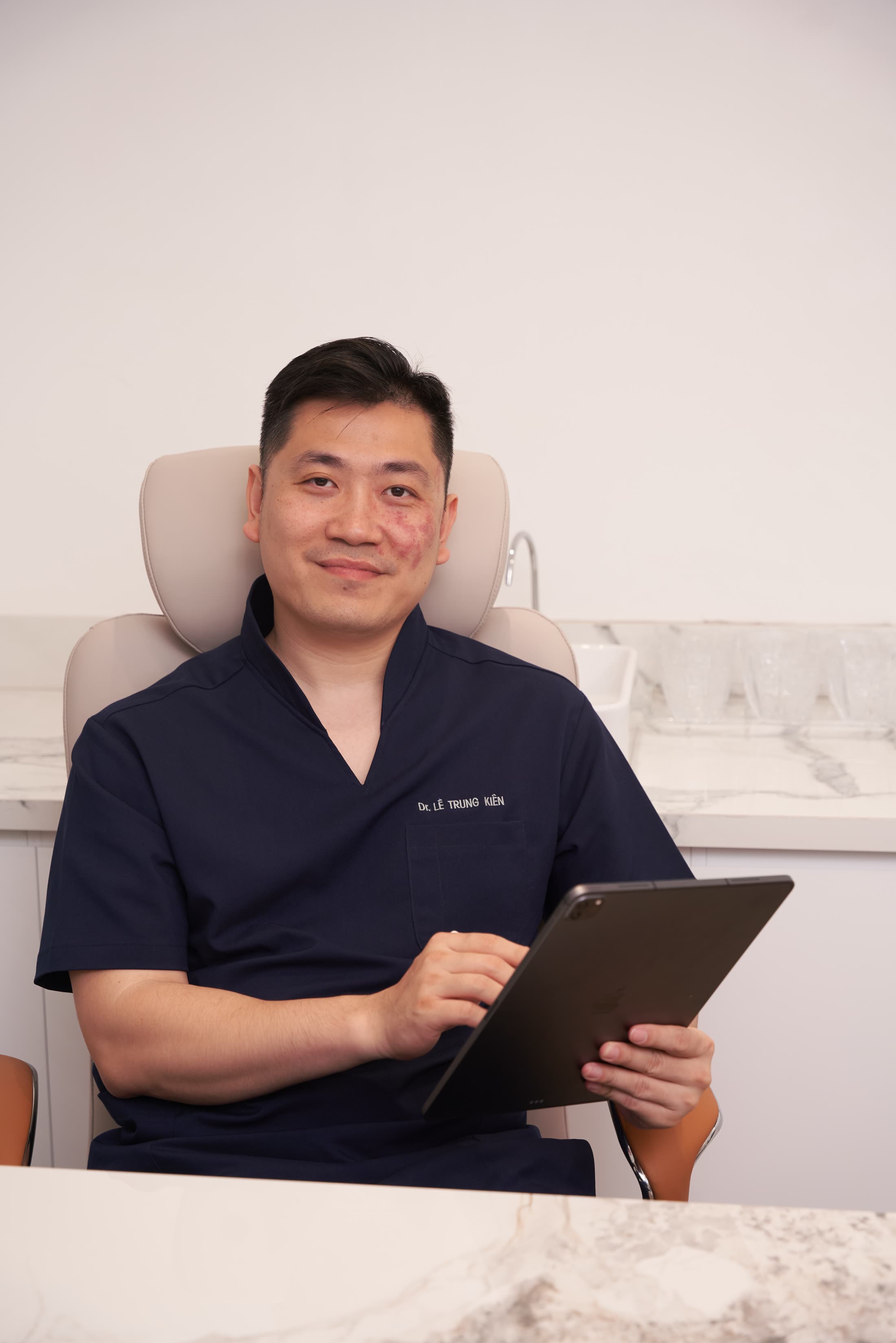
Dr. Le Trung Kien
RASA Surgical Practice
"Across history, humans have continuously shaped the body, face and symbols of beauty. Modern aesthetics is part of that longer story."
A Medical Perspective - Dr. Lê Trung Kiên
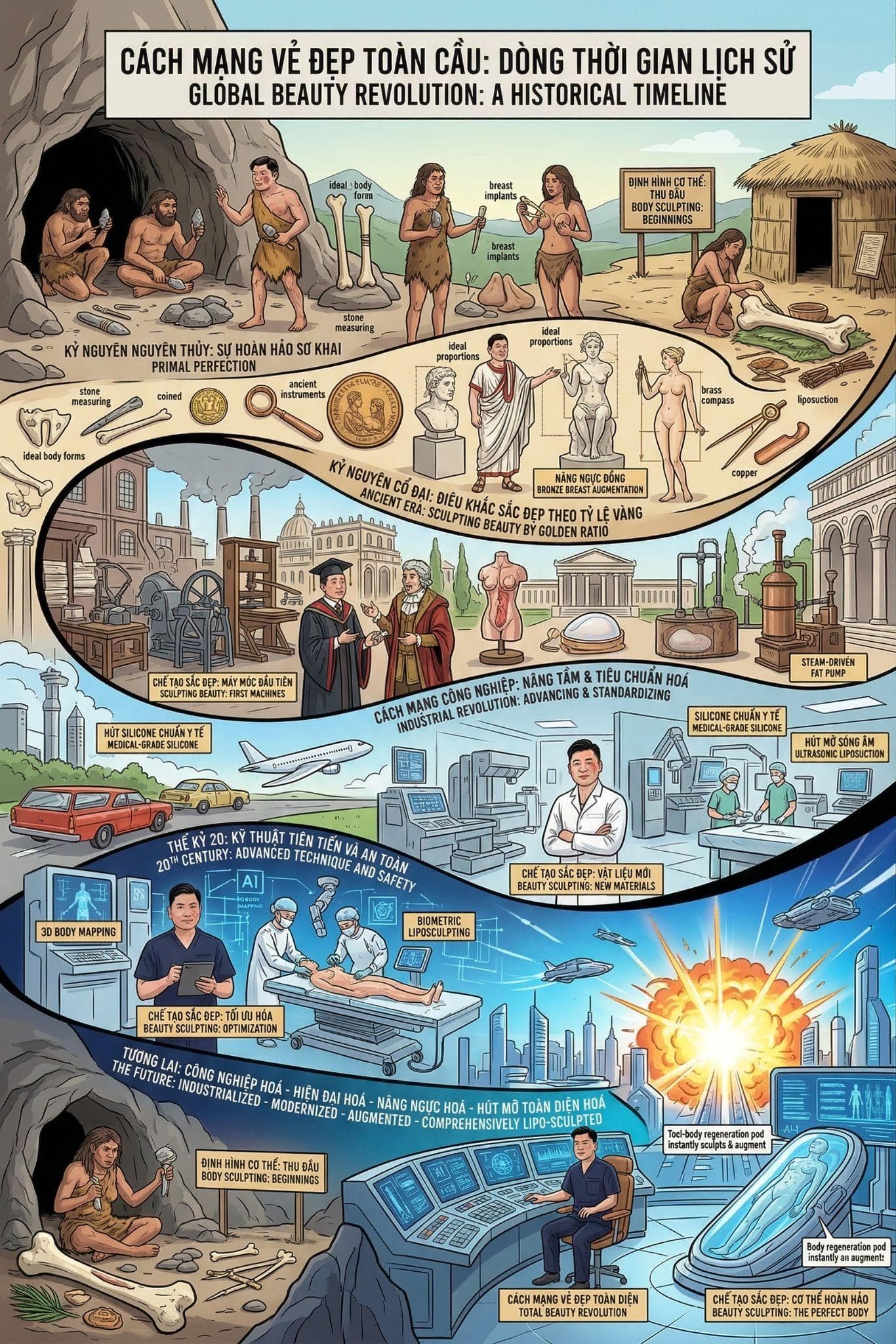
Upon reviewing the entire journey of humanity, one thing remains unchanged over tens of thousands of years: humans have consistently sought to improve their physical form. Not for superficial reasons, nor due to social pressure. Rather, it is an innate instinct for survival encoded in our DNA. The story of the aesthetic industry, therefore, is also the story of humanity: from cave dwellings to modern operating rooms, from animal bones to robotic surgery.
When Beauty is a Matter of Survival
Over 30,000 years ago, early humans during the Stone Age created statues of the "Venus," depicting a woman with a wide hips and full breasts. Not because they were idle or had a good sense of aesthetics, but because these figures represented health and reproductive capacity. Bones, stones used to measure body proportions. Tattoos and ornaments made from shells, animal teeth appeared early on as a non-verbal language about social status and physical strength.
From a modern medical perspective, "beauty" at this stage operates as a purely biological signal, not a cultural choice, but evolutionary data. The waist-to-hip ratio that early humans sought, is today scientifically confirmed to be directly related to estrogen levels and reproductive capacity in women. In other words, they did not "choose" beauty, they were reading biological information without realizing it.
That is why the demand for beauty never fades. It is not a trend, not a fad. It lies within the DNA of humanity.
Greece and Rome: The First Time Beauty Had a Formula
A major turning point occurred around the 5th century BCE, when ancient Greeks began doing something no one had ever done before: applying mathematics to define beauty. The golden ratio (φ approximately 1.618) was recorded by Euclid, then applied by Vitruvius to architecture and human body proportions in his work De Architectura. From then on, beauty was no longer a vague perception; it could be measured, calculated, and most importantly, recreated.

Cái đẹp đi cùng lịch sử sinh tồn và văn hóa của con người
However, few people know that aesthetic intervention actually emerged much earlier, and not in Europe. Ancient Indian medical texts in the Sushruta Samhita, written around 600 BCE, described a technique for nasal reconstruction using forehead skin flaps. This is considered the earliest recorded plastic surgery in human history. In Rome, Aulus Cornelius Celsus described facial and lip correction methods in his work De Medicina in the 1st century CE.
The key point here is not the technique, as it was still quite primitive at the time. The key point is the mindset: for the first time, humans not only observed beauty but also actively designed it according to a scientific framework. This is the foundation of the entire field of plastic surgery that followed.
Industrial Revolution: From Craft to System
The 18th-19th centuries did not only change the way people produced goods, but also transformed medicine in a way that is often overlooked. The microscope allowed for an understanding of bacteria and infection. Ether was first applied as an anesthetic in 1846 in Boston. Joseph Lister published the technique of antisepsis in 1867. The combination of these three things made possible something that had not been done in thousands of years: making surgery safe enough to be performed regularly.
In 1891, Dr. Charles Miller performed the first recorded cosmetic facial surgeries in the US. In 1895, Vincent Czerny first performed a breast lift using autologous fat. Industrial machinery allowed for the mass production of surgical instruments, replacing handmade ones. A whole service system began to take shape, gradually replacing individual doctors working on their own experience-based practices.
To put it simply: this is the stage at which beauty treatments shifted from craft to applied science. And once it became a science, it would not stop there.

Từ biểu tượng cổ đại đến y học thẩm mỹ hiện đại
The 20th Century: Paradox from War
There is a significant paradox in the history of aesthetics that is rarely mentioned: the most important technical breakthroughs did not come from research laboratories or the need for beauty, but from war.
World War I and II left hundreds of thousands of soldiers with disfigured faces and bodies. Dr. Harold Gillies, who would later be called the "father of modern reconstructive surgery" - treated over 5,000 patients in World War I, laying the foundation for the skin flap and bone grafting techniques still used today. His student, Archibald McIndoe, continued to develop reconstruction techniques for burned pilots in World War II.
What was learned from post-war reconstruction was later applied to purely aesthetic purposes. Medical-grade silicone was approved by the US FDA in 1962. Liposuction was developed in 1974 by Italian doctor Giorgio Fischer. By the 1980s, plastic surgery had become a separate medical specialty with formal training, professional councils, and clear ethical standards.
""Plastic surgery was not created to make people beautiful. It was created to restore humanity. The purpose of beauty is only a subsequent development, and that is why safety and medical ethics must be the foundation, not the aesthetic result." - Dr. Lê Trung Kiên
Present Day: Beauty is truly for the first time in the hands of each individual
From the past to the present, each era has had a common standard of beauty: Venus of the prehistoric era, the golden ratio of ancient Greece, and the ideal measurements of each decade. For the first time in history, modern technology has made it possible to break free from this standard.
3D body mapping and AI facial analysis can simulate the results of surgery before performing it with high accuracy, eliminating the need to imagine vaguely from sample images. Biometric liposculpting, a fat removal technique based on individual biometric data, is gradually replacing traditional manual methods. New-generation materials such as cohesive gel or form-stable implants produce more natural results with significantly lower complication rates compared to 20 years ago.
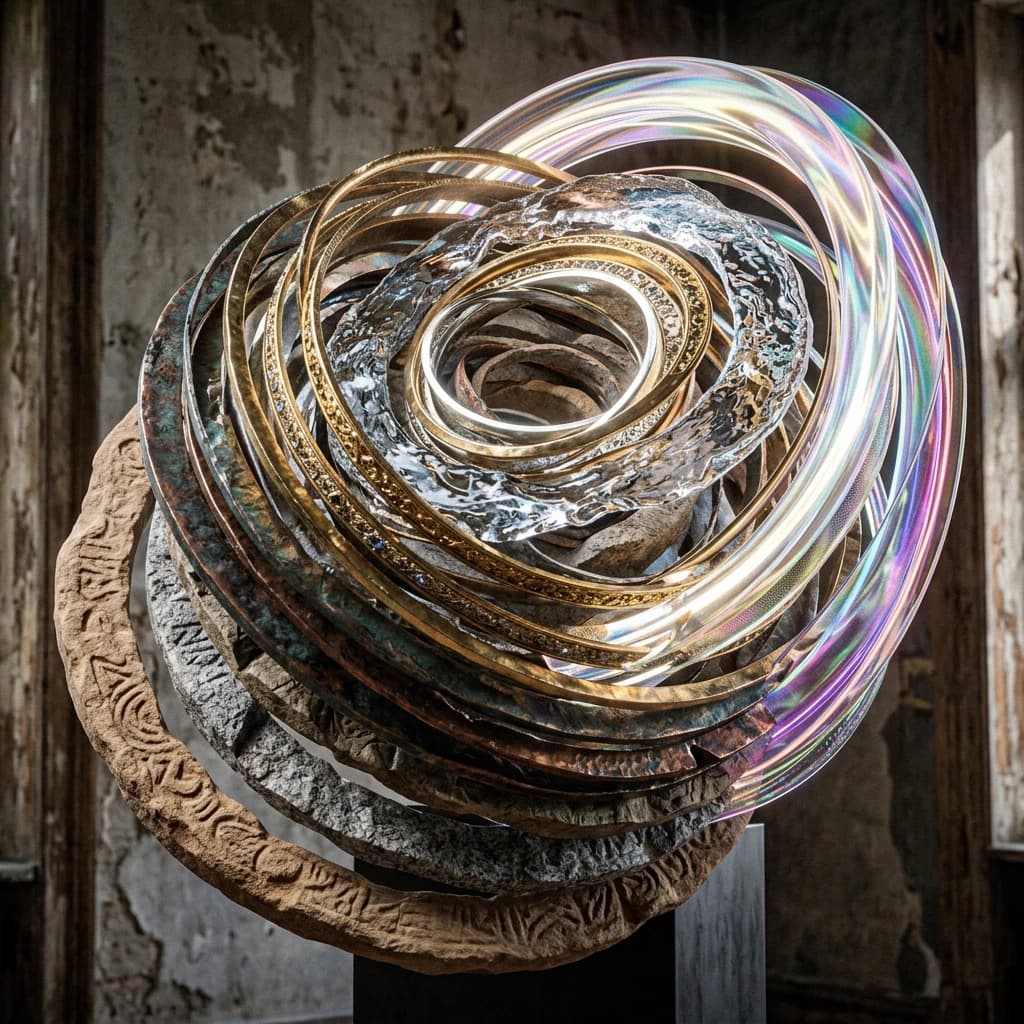
Hành trình tái cấu trúc cơ thể trong kỷ nguyên mới
However, the most significant change is not the technology, but the philosophy. No longer is it about "making you look like a model" or "achieving the golden ratio standard." The question now is: what is the best version of yourself,
""A successful cosmetic surgery is not about creating beauty, but about creating the best version of the patient themselves." - Dr. Lê Trung Kiên
The future is coming closer than we think
Based on current research and clinical findings, the field of aesthetics is poised to follow three major directions in the coming decade.
Bio-regenerative: using stem cells and tissue culture to rejuvenate skin and regenerate fat tissue instead of mechanical intervention. This is no longer science fiction: clinical trials on PRP (Platelet-Rich Plasma) and SVF (Stromal Vascular Fraction) are yielding positive results at numerous major research centers worldwide.
Surgery guided by AI: from preoperative image analysis, simulation of outcomes, to robotic surgery support with high accuracy. Not replacing doctors, but helping doctors make better decisions and minimize errors in each procedure.
Minimally invasive but highly effective interventions: rapid body reshaping with shortened recovery times, thanks to new-generation energy technologies like HIFU, radiofrequency, or fourth-generation lasers.
But with progress comes real risks. Social media is creating unrealistic pressures and expectations at a pace that no previous era could have imagined. Instagram filters, AI image editing, Facetune, and all the rest create a "standard of beauty" that is biologically non-existent. When patients arrive at the clinic with app-edited images as a reference, that's when the boundary between medical aesthetics and psychological disorders needs to be clearly distinguished.
""The field of aesthetics is not hazardous. But human misexpectation is the hazardous thing." - Dr. CKII Lê Trung Kiên
The Unchanging After 30,000 Years
From prehistoric humans measuring the body with animal bones, through ancient Greece with the golden ratio, through field surgeries between the two world wars, to modern operating rooms with AI and robots, the field of aesthetics has undergone a long journey. From instinct to science. From restoration to optimization. From standardization to individualization.
However, one thing remains unchanged despite the advancement of technology: true beauty has never been just about physical appearance. It is the balance between the body, psychology, and how each individual perceives themselves. A skilled physician does not create beauty; they only liberate the beauty that is already present in each patient, but has not been seen in the right way.
And that, in the end, is the reason for the existence of this field.
Dr. CKII Le Trung Kien
Board-certified plastic surgeon with extensive clinical experience. Applies advanced techniques in body reconstruction and optimization. Trusted companion of thousands of patients on their journey to rediscover their best selves.